By Siri Vorvick and Ursula Andreeff
The following piece is part of Progressive City’s “Keeping the ‘Public’ in Public Space” series, which asks authors to address the way public spaces are governed, restricted and/or policed, in addition to the role of planning in both enabling and contesting the enclosure of public space. Of special concern are policies, designs and practices that limit the use of public spaces, formally or informally, based on the race, gender, sexuality, disability and national origin of people. More information about this series can be found here.
INTRO
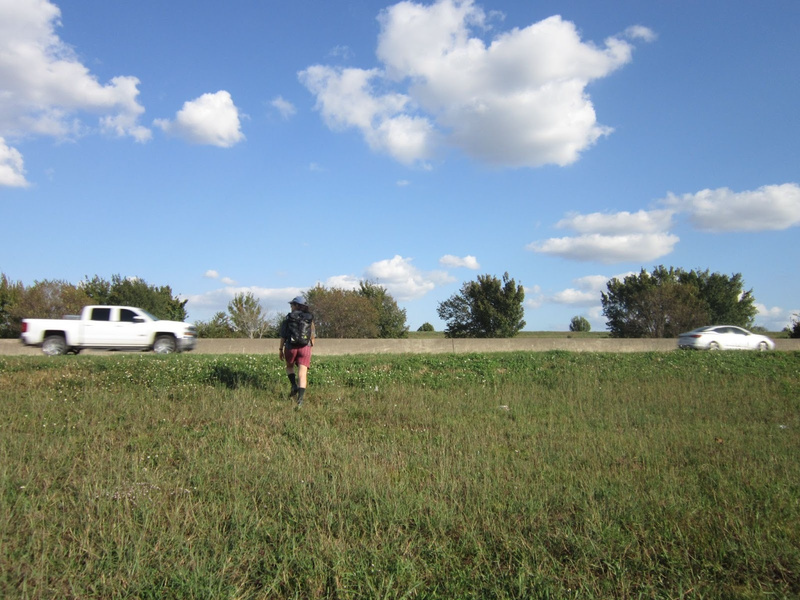
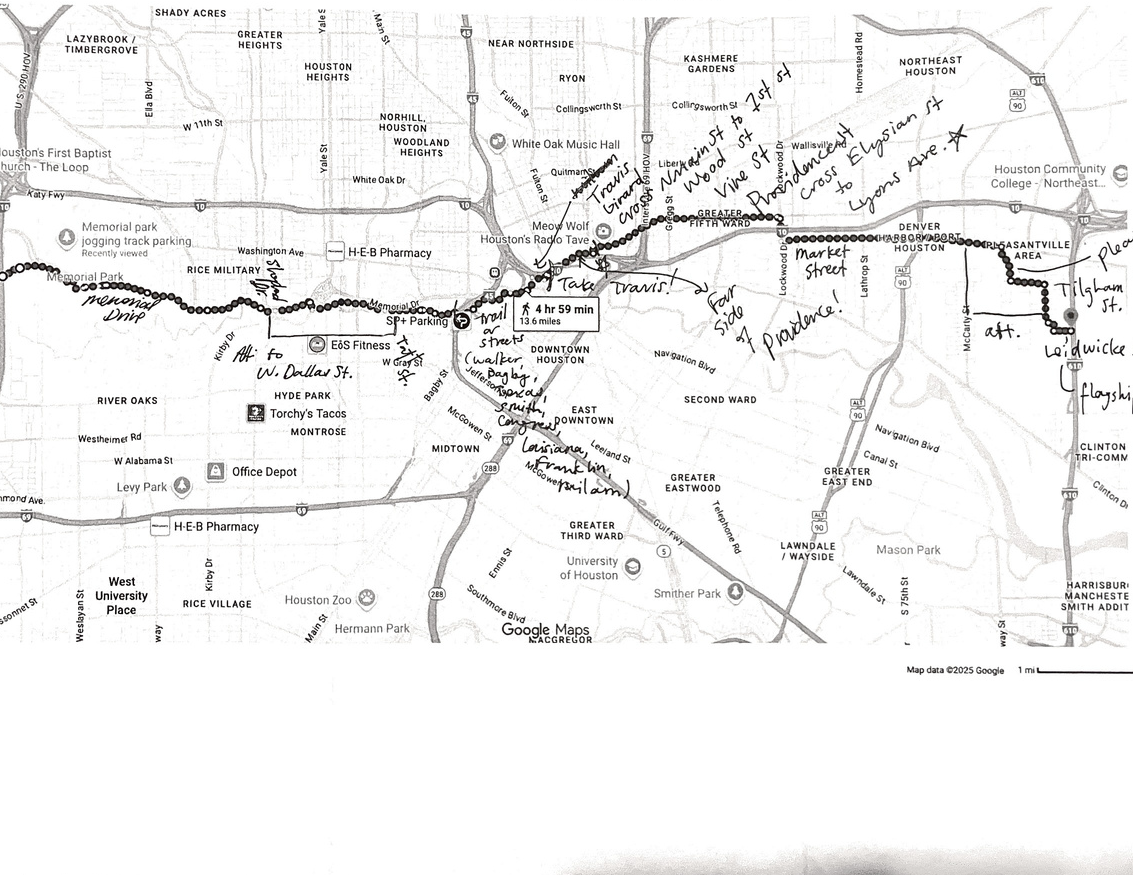
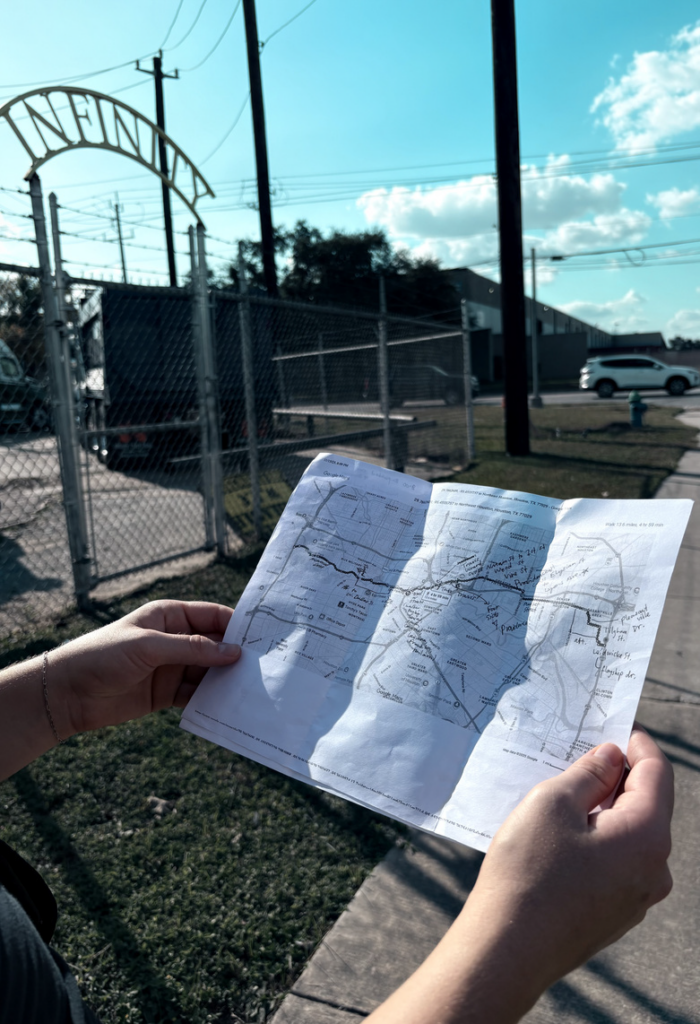
What do our bodies feel as we drive our feet forward, step after step, on uneven, and even (unforgiving) ground? What lines do we cross, either invisible or physical, when we push ourselves to explore, when we ask ourselves to look? What happens when we walk? We are two artists and planners who live in Houston, Texas, and continually strive to understand, consider, and reimagine this city. We asked ourselves these questions and, in an effort to examine our relationship to Houston, walked from one side of Interstate 610 to the other. I-610 creates ‘the inner loop’ that encircles Houston’s urban core, 11.4 miles across.
On this journey, our path was intentional but not forced. We chose what was interesting and natural as we walked, while directing ourselves from west to east, following Houston’s biggest bayou which flowed past us all the way to the Gulf. By walking across the inner city, we made walking both an artistic and a research practice, gathering information and sensations from our own bodies and from the varied and relentlessly diverse conditions we carried ourselves through. We engaged with others, finding friends in unexpected places and falling into moments with strangers. We thought about those who must walk, transient, constantly, and those for whom walking is an impossibility. We took photos, talked, shared silence.
Houston has redefined its public space to be fully committed to the most efficient movement of product, labor, and capital. This is demonstrated in its vast highway network, which expands above and through the city, a funnel for resources that could otherwise be used to create a more welcoming body-experience of the ‘public’. Therefore, our walk—our mere choice to commit ourselves to the public space of the city, our reclamation of the city’s infrastructure for our own bodies and emotional experience—became a radical act. In this act, we could create imaginings of new, improved, and unconventional public spaces in Houston by responding directly to the needs and desires of our eyes, bodies, and minds, confronted with the city’s realities. Our artist and urban planner identities urged us to both engage directly with the city and to use that engagement to delve into the realm of the imagined possible: the proposal. This document is a catalog of that engagement, using our photographic record and impressions of our journey to demonstrate six key themes of the city and proposals therein: sidewalk, highway, railroad, greenspace, flooding, and social infrastructure.
We did not walk alone. We were inspired by those who have used walking as an art and a practice, and those who have embarked on their own walks across Houston. For example, the Situationist International developed the practice of the dérive (French for “drifting”) in the 1950s: wanderings through the city solely motivated by emotion and in direct rejection of efficient movement.
Others, such as scholars and WalkingLab directors Stephanie Springgay and Sarah Truman, have written about the predominance of the design and experience of cities to serve certain identities and abilities over others: “Figures like the flâneur and the practices of the dérive become common tropes, often assuming that all bodies move through space equally.” Locally, Houston artists have left a legacy of walking as an intentional practice in Houston: John Lomax walked 16 miles in 2006 (on a search for “H-town’s soul”) and the Art Guys (Jack Massing and Michael Galbreth) walked 30 miles in 2013 (“we do what we say we are going to do”).
We walked our own walk with intention, including these histories and taking our own steps forward, contributing our new perspectives, identities, bodies, and ideas to this narrative, and to Houston’s landscape.
These are our results.
Best,
Ursula and Siri
SIDEWALK
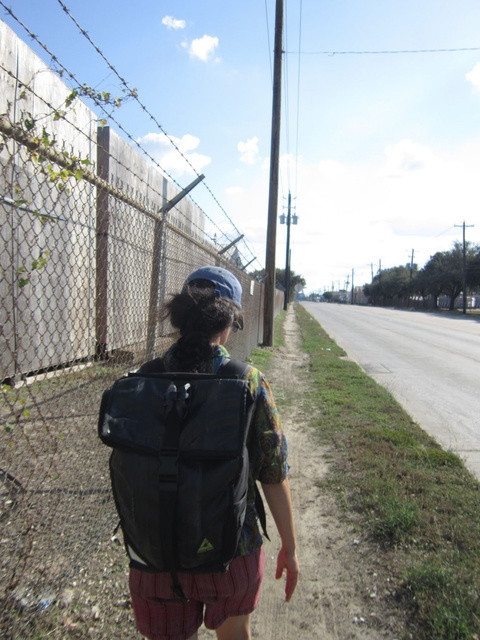
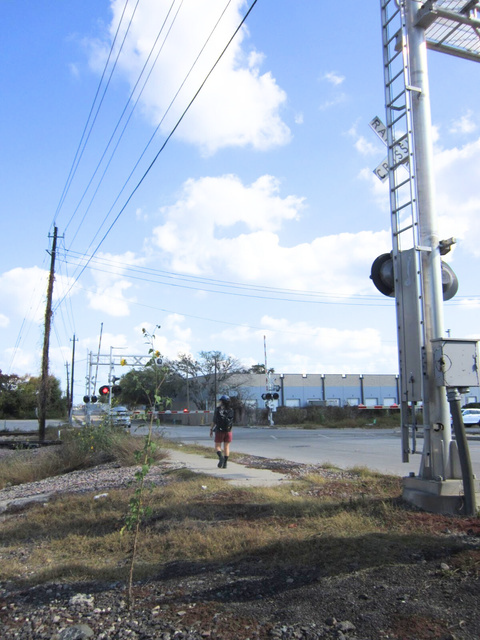
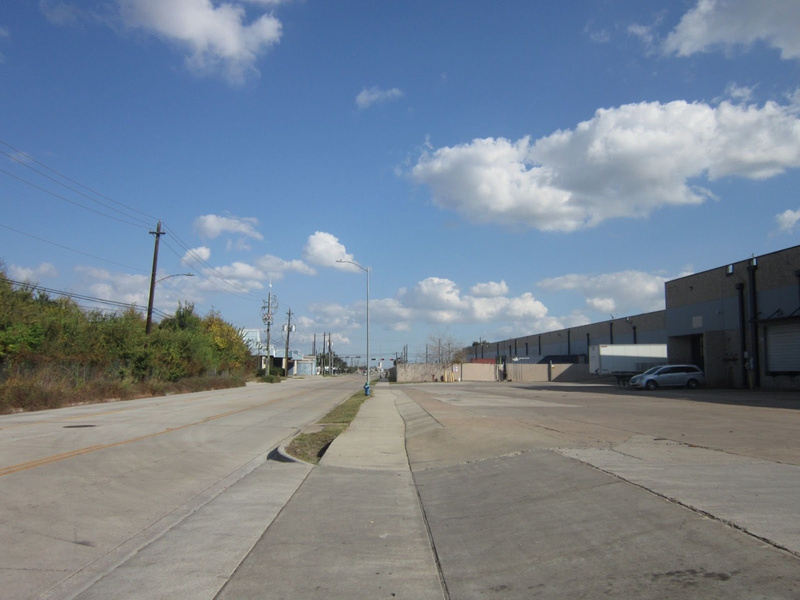
Sidewalk, fragmented
Random, sun hurts my weary face
Ragged trail cutting through the city
Broken handwriting, disconnected
The sidewalk symbolizes a city’s relationship to its people
Offered, it provides a forum,
A network,
And a comfort.
When it is missing,
Its absence is felt
By the man who walks the same road every day to the factory, creating his own track Or the small child, with a vast and glaring sea to cross
The concrete burning her feet.
The city offers half truths and a broken network, exclusive,
Which only some can translate into their way forward.
Small, we take a step.
HIGHWAY
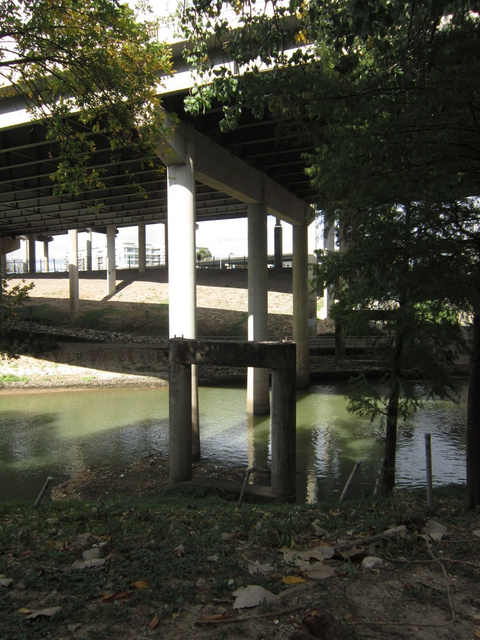
Layered and stacked
Above and moving
The highway is second nature, controlling and surrounding
Our breath of life in Houston.
It has everything it could ever want.
It dominates man and nature
It is a second sky
It holds thousands in its piercing, stinking river flowing to the sunset
Bodies above you that you will never see
Isolated in their machinery.
No one can stand up to
The growth of the gnawing, hungering, tearing
Highway symbolizes a city’s relationship to its people
Paid for by your dollars—the city’s largest public infrastructure investment.
Small, next to this monster, we take a step.
RAILROAD
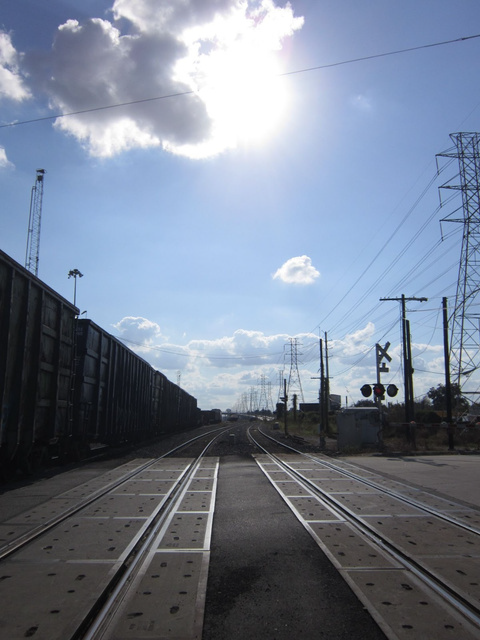
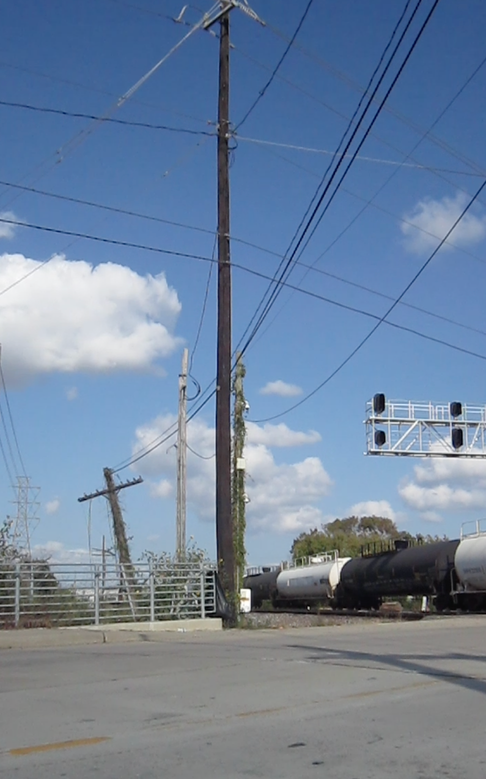
As old as time, the railroad runs
Car by car, the railroad builds
On its own across the country, cities fading away to its reality
Its vision that supersedes space and permanence
Here we see,
A breakage in the city fabric. Who bears the brunt of the interruption?
Who stops in its endless wake?
A single rail car stops on the tracks
Blocking traffic
A careless lack of coordination
Small, we wait, we take a step.
GREEN SPACE
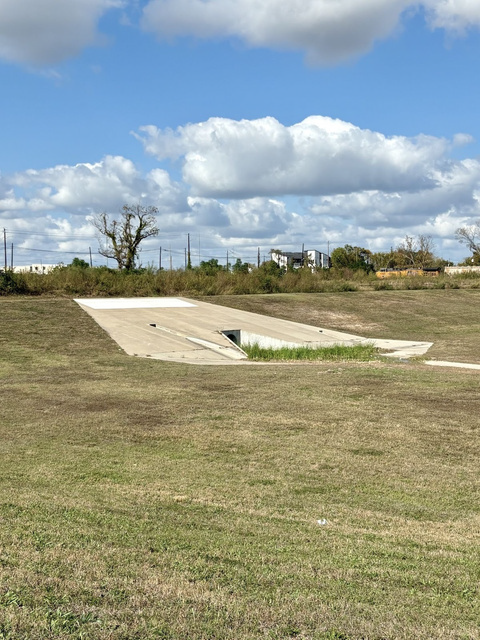
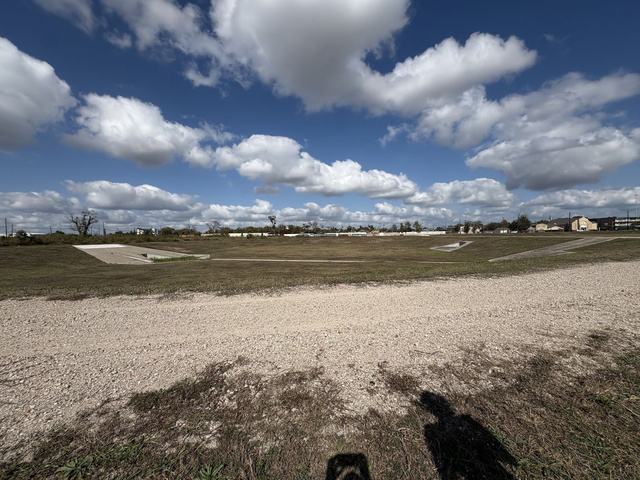
A proposal –
Transform vacant green spaces into
Drainage sites that double as parks
Parks that double as
Places
For soccer games, neighborhood dinners, summer night
Double Dutch hop scotch
When there are floods, hurricanes, tornadoes, heat waves, freezes
They double as
Climate disaster meeting hubs
Places where
Neighbors check in with each other
The “mayor” of each space
Stocks a shed with supplies
And distributes supplies
And makes sure everyone is ok
FLOODING
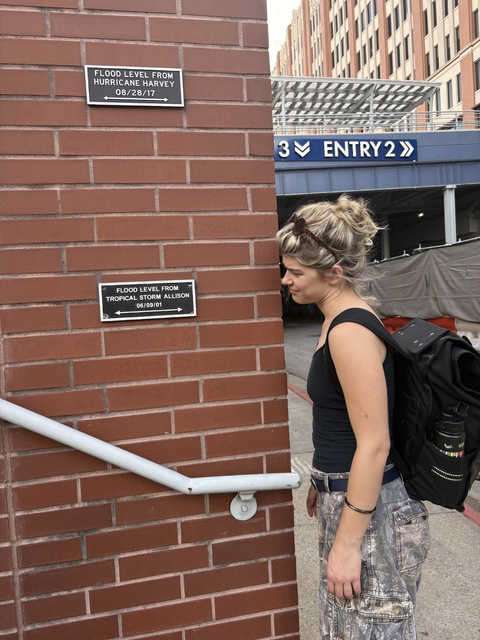
In a city of climate amnesiacs –
(Our main industry – petroleum – worsens the disaster daily)
A rare record of the floods
The human body in relation to the water level –
Siri is 5 ft. 4”
Tropical Storm Allison (2001) – ~5ft.
Hurricane Harvey (2017) – ~7 ft.
The next one will swallow 2 Siris
SOCIAL INFRASTRUCTURE
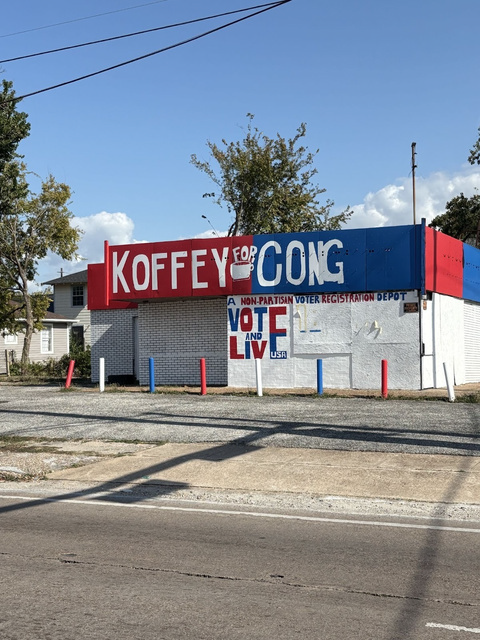
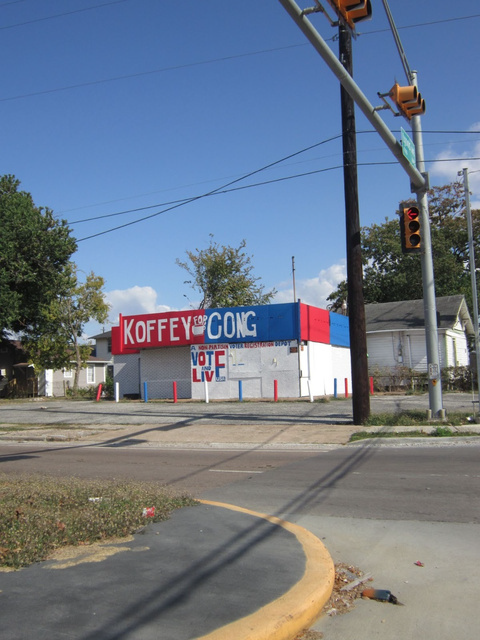
An unfinished voter registration hub
To support the campaign of a 5th Ward native
“Vote and Live”
The “ress” in Congress left unpainted
A proposal –
Repair broken social infrastructure
With a network of abandoned buildings
Transformed
Into a network of community centers
Where neighbors build joy and political power through daily interactions
Grow the power that was not built
When the “ress” was left unfinished
And the last grocery store moved out
The “mayors” of the drainage parks
Will use these places as their bases